
Architecture and engineering firms tend to think of compliance as something external. Building codes. Permits. Safety standards. Contracts. Audits.
But one of the most overlooked risks in A/E firms today does not live in drawings or documentation.
It lives in the workforce.
Frequent layoffs and unclear employment practices are no longer just internal HR concerns. They are now recognized as architecture compliance issues because regulators and clients see the direct link between workforce instability and systemic failure.
And once that connection is made, firms cannot ignore it.
Architecture Compliance Is Not Just Paperwork Anymore
Traditionally, compliance meant doing the right things on paper:
- The right licenses
- The right approvals
- The right processes
Today, compliance increasingly reflects how work actually happens, not just how it is documented.
When teams are unstable:
- Institutional knowledge disappears
- Quality checks get skipped
- Deadlines create pressure to fix issues later
- Accountability becomes unclear
This is where architecture compliance starts to weaken. Not because firms lack intent, but because unstable systems make consistency difficult to maintain.
A Real-World Wake-Up Call
Earlier this year, the National Labor Relations Board filed a complaint against Snøhetta’s New York office, alleging illegal retaliation connected to a union-organizing effort. The case was reported by The New York Times, bringing national attention to a workforce dispute inside one of the world’s most respected design firms.
This is not about taking sides. It is about what the situation revealed.
A globally recognized firm known for progressive design values found itself under scrutiny not for a building, but for how it managed its workforce. Once labor issues reach regulators and major media outlets, workforce stability stops being an internal concern and becomes a compliance issue with real exposure.
For architecture and engineering firms observing from the outside, the message is clear. How you manage people increasingly shapes how compliant, credible, and reliable your firm appears.
Why Workforce Instability Creates Architecture Compliance Risk
You do not need a high-profile case to see how this happens inside firms.
Common signs include:
- Teams stretched thin after resignations
- Junior staff filling senior roles without adequate oversight
- Project knowledge leaving with employees
- Compliance steps treated as optional during peak pressure
Over time, these conditions increase risk in ways firms often underestimate.
From missed internal reviews to inconsistent documentation, instability weakens the systems that support architecture compliance.
Clients Are Paying Attention Too
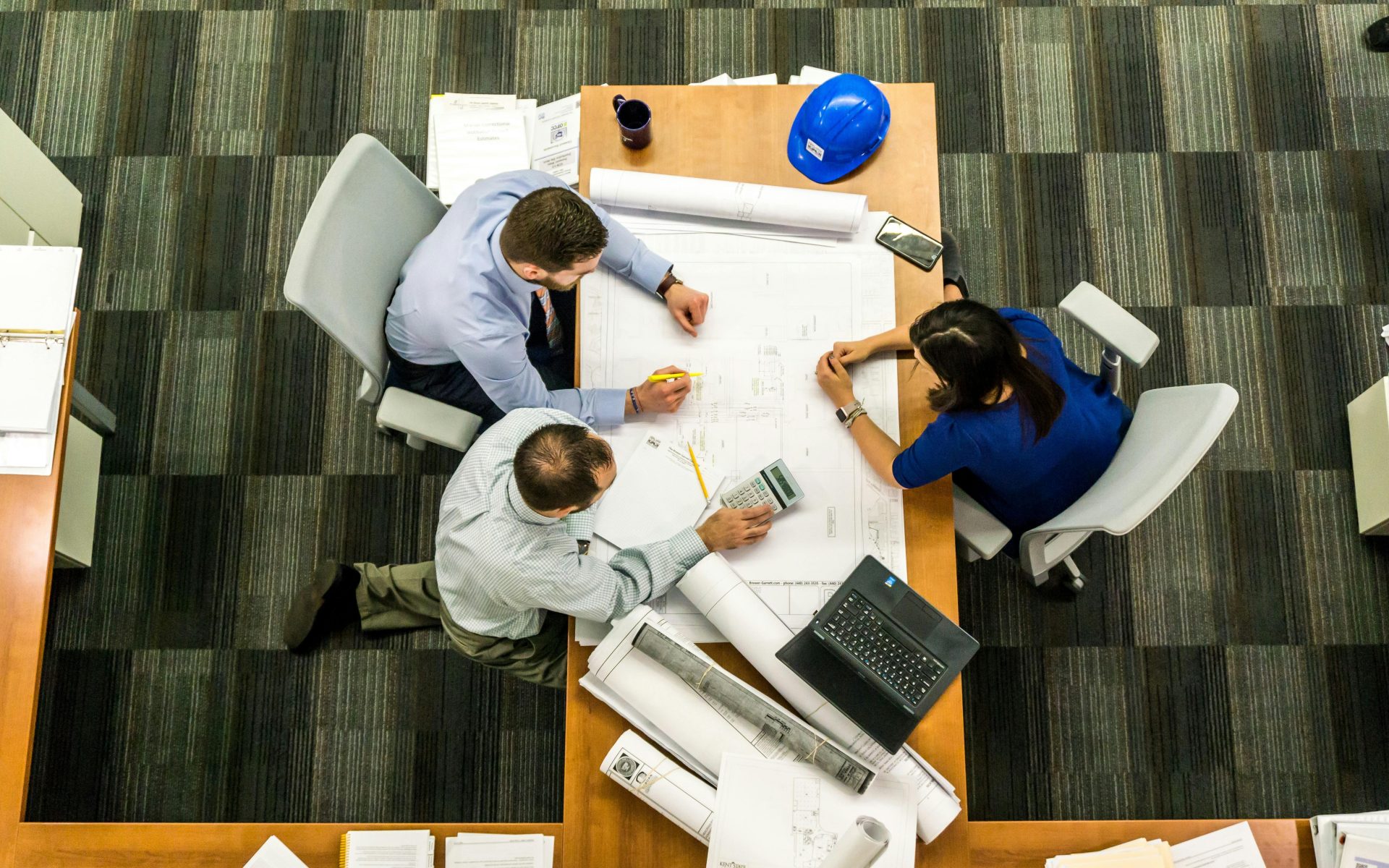
Regulators are not the only ones watching.
Public-sector clients, large developers, and institutional partners are asking more direct questions:
- Who is actually working on this project?
- How stable is the delivery team?
- Can this team sustain the full project timeline?
The reason is simple. Unstable teams increase the likelihood of delays, errors, rework, and disputes.
Workforce stability is becoming a signal of reliability, and reliability is inseparable from architecture compliance.
Burnout Is a Compliance Risk
Burnout is often treated as a wellness issue. In reality, it is a systems issue.
When people are exhausted:
- Details get missed
- Judgment declines
- Documentation becomes rushed
- Communication breaks down
This is not a failure of professionalism. It is human limitation.
In regulated environments like architecture and engineering, those limits translate into compliance vulnerability. Stable teams, reasonable workloads, and continuity are not soft benefits. They are risk controls that protect architecture compliance.
How Remote and Global Teams Can Support Architecture Compliance
Many firms remain hesitant about remote or global professionals, often viewing them as a compliance risk.
In practice, the opposite is frequently true.
When integrated correctly, global professionals can:
- Stabilize project teams during workload spikes
- Reduce burnout among in-house staff
- Preserve institutional knowledge
- Support documentation and review tasks that require consistency
Rather than weakening oversight, distributed teams can strengthen architecture compliance by reducing pressure points within core teams.
Stability Is About Systems, Not Location
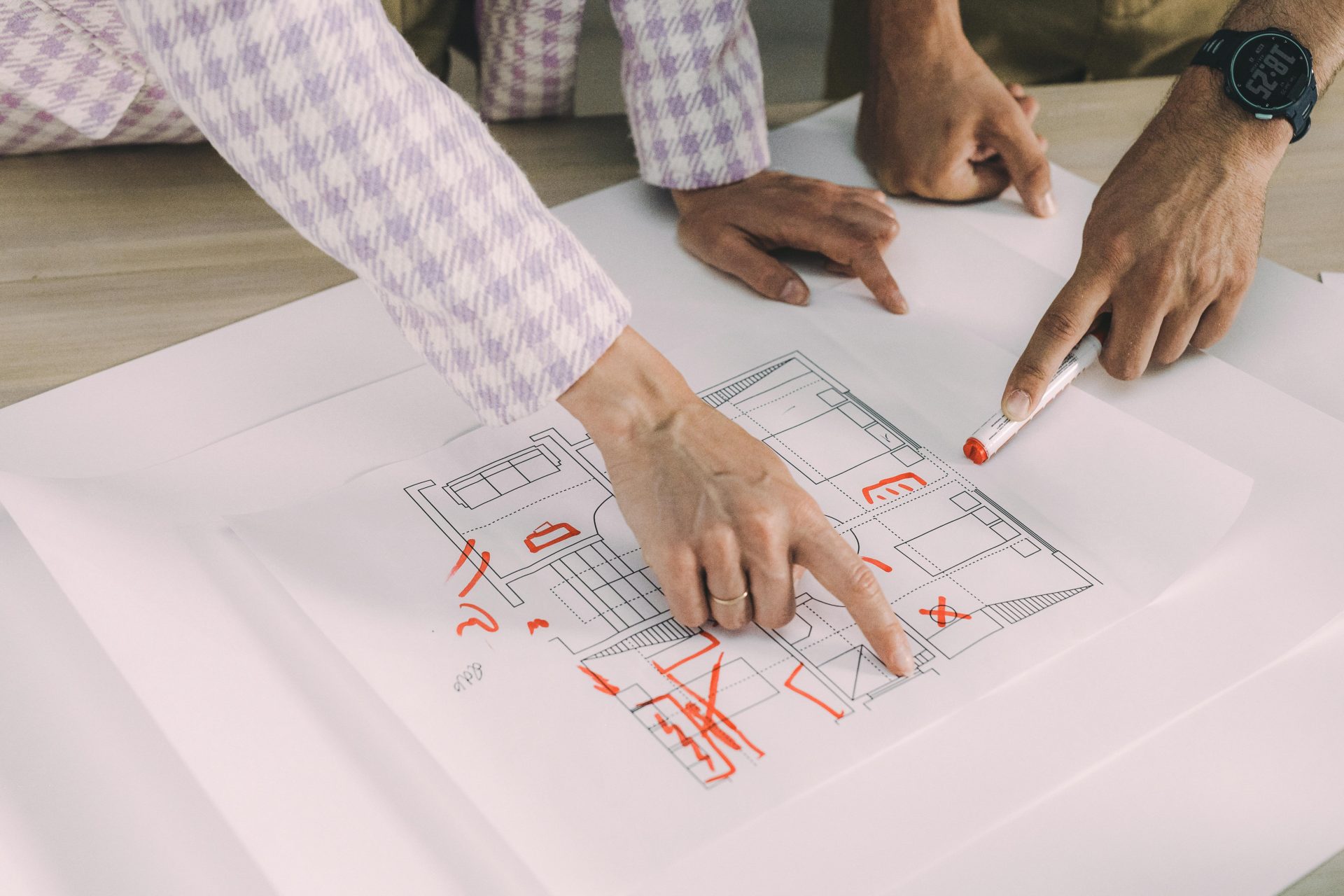
Workforce stability does not require everyone to be in the same office.
It requires:
- Clear roles and responsibilities
- Predictable workloads
- Continuity across project phases
- Knowledge transfer that does not disappear with turnover
When remote professionals are embedded into U.S. teams with proper structure and accountability, they often increase stability rather than reduce it.
For many firms, this model provides the consistency that internal staffing alone cannot sustain.
The Cost of Ignoring Workforce Stability
When workforce instability intersects with compliance failure, firms face:
- Regulatory scrutiny
- Legal exposure
- Reputational damage
- Loss of client trust
These outcomes rarely happen overnight. They accumulate quietly until a triggering event brings them to the surface.
That is why forward-looking A/E firms now treat workforce planning as part of architecture compliance, not separate from it.
A New Compliance Mindset for A/E Firms
The most resilient firms are shifting their perspective.
Compliance is no longer only about what you build.
It is about how the work is sustained over time.
That includes:
- Ethical employment practices
- Team continuity
- Capacity planning that does not depend on constant overextension
Workforce stability is infrastructure. When it is neglected, cracks eventually appear.
Final Thought
Architecture and engineering firms operate in one of the most regulated professional environments today. As expectations evolve, architecture compliance now includes how firms structure, support, and retain their teams.
Whether through better internal systems or thoughtfully integrated global professionals, workforce stability is no longer optional. It is a compliance issue that directly affects quality, trust, and long-term success.
Firms that address this early will not only reduce risk.
They will build stronger, more dependable organizations for the future.
This is where BizForce can help.
We partner with architecture and engineering firms to build stable teams by integrating vetted global professionals into U.S. workflows. The result is reduced burnout, stronger continuity, and better support for architecture compliance.
If workforce stability is part of your firm’s long-term strategy, BizForce is ready to support what you are building. Contact us here.