
The year 2026 is shaping up to be a defining moment for architecture and engineering firms. Across the globe, economic uncertainty, supply chain disruptions, and rising oil prices are creating a ripple effect that is impossible to ignore. What once felt manageable is now becoming increasingly complex, and firms are feeling the pressure from all sides. According to Reuters, U.S. import prices rose by 1.3% in February 2026, marking the largest increase in nearly four years and driven largely by higher energy costs. This surge reflects a broader trend. As fuel prices climb, the cost of transporting materials, operating equipment, and sustaining construction activity continues to rise. At the heart of it all is a growing challenge. Architecture costs are increasing faster than many teams can anticipate or control.
As expenses climb, project delivery becomes more difficult to manage. Timelines stretch, budgets tighten, and client expectations become harder to meet.
The Hidden Impact of Rising Oil Prices
Oil prices may seem like a distant concern, but their impact on architecture and engineering projects is direct and significant. When fuel costs increase, transportation becomes more expensive. Materials cost more to produce and deliver. Even daily site operations become more costly.
This creates a chain reaction. Higher transportation costs lead to increased material prices. Delays in shipments become more frequent. Contractors adjust their pricing. All of these factors contribute to rising architecture costs, often in ways that are difficult to predict at the start of a project.
For firms, this means one thing. Budgets that once felt stable can quickly become outdated, forcing teams to rethink plans in real time.
A New Level of Pressure on Project Delivery

As costs continue to rise, project delivery is becoming more challenging at every stage.
Design teams are being asked to create efficient, high-quality solutions while staying within tighter budgets. Engineers must balance performance and cost without compromising safety or functionality. Project managers are expected to keep everything on track despite constant changes in pricing and availability.
With increasing architecture costs, firms are experiencing:
- Longer planning phases as teams work to refine budgets
- More frequent design revisions to align with financial limits
- Delays caused by supply chain disruptions and price changes
- Increased pressure to justify every decision to clients
This is no longer a temporary situation. It is the new reality of project delivery in 2026.
Why Traditional Approaches No Longer Work
In the past, firms could rely on stable pricing and predictable timelines. Today, that approach is no longer enough. The pace of change is too fast, and the margin for error is too small.
Waiting until problems arise can lead to costly delays and strained client relationships. Instead, firms must take a more proactive approach to managing architecture costs.
This means anticipating risks before they happen, building flexibility into project plans, and staying ready to adapt when conditions shift. The firms that succeed will be the ones that can respond quickly without losing momentum.
The Power of Early and Strategic Planning
One of the most effective ways to manage rising costs is to focus on planning earlier and more strategically. When teams take the time to assess risks upfront, they can make smarter decisions that prevent problems later on.
Today’s leading firms are working closely with clients from the very beginning. They are setting realistic expectations, exploring alternative materials, and identifying cost-saving opportunities before designs are finalized.
By doing this, they can better control architecture costs and avoid major disruptions during later stages of the project.
Key strategies include:
- Conducting detailed cost evaluations early
- Exploring flexible design options
- Preparing contingency plans for price fluctuations
- Aligning priorities with clients from the start
Strong planning does not eliminate challenges, but it makes them easier to manage.
Collaboration Is Now a Competitive Advantage
Architects, engineers, contractors, and clients must work together more closely than ever before. When communication is clear and consistent, teams can respond faster to changes and make better decisions.
Firms that prioritize collaboration are better equipped to handle rising architecture costs because they reduce misunderstandings and avoid costly mistakes. They create a shared understanding of goals and constraints, which keeps projects moving forward even in uncertain conditions.
Trust becomes a key factor. When teams trust each other, they can navigate challenges with greater confidence and efficiency.
Maintaining Quality in a Cost-Conscious Environment
Even as costs rise, expectations for quality remain high. Clients still want innovative designs, durable structures, and long-term value.
This creates a delicate balance. Firms must find ways to manage architecture costs without compromising the integrity of their work.
The solution is not about cutting corners. It is about making smarter, more intentional decisions. This might involve simplifying certain elements, prioritizing what matters most, or using more efficient construction methods.
When done right, rising costs can actually lead to better outcomes by encouraging more thoughtful and strategic design.
How Technology Is Helping Firms Adapt
Technology is becoming an important tool in managing today’s challenges. With the right systems in place, firms can gain better visibility into costs, timelines, and potential risks.
Digital tools allow teams to track expenses in real time, identify issues earlier, and improve coordination across different parts of a project. This makes it easier to manage architecture costs and respond quickly to changes.
While technology cannot eliminate rising costs, it gives firms a stronger foundation to work from. It provides clarity in an environment that often feels unpredictable.
Building Resilience for the Future
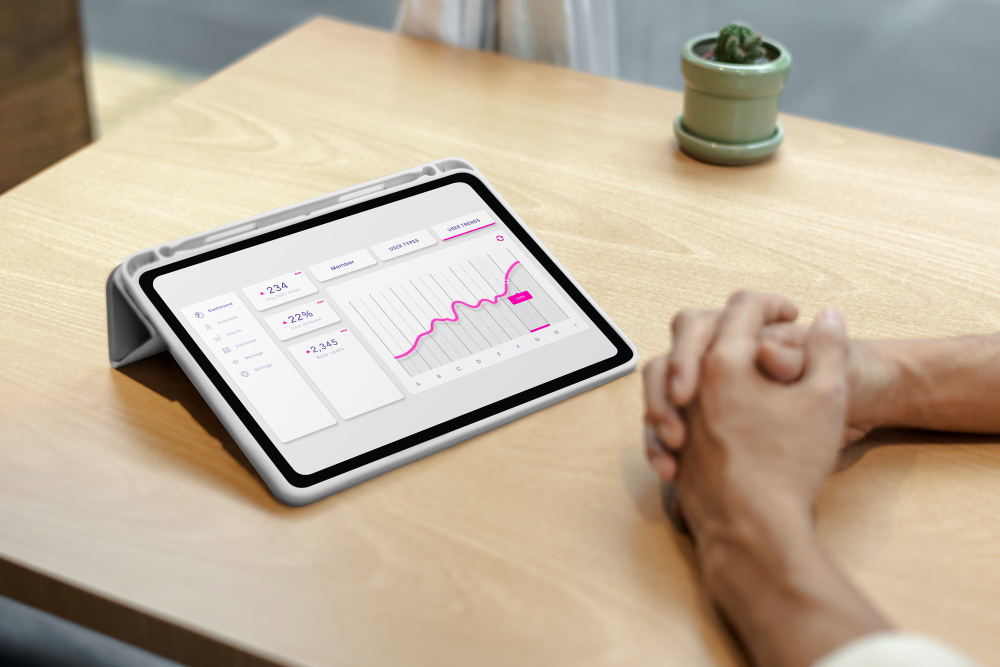
As 2026 continues to unfold, one thing is clear. Rising costs, driven in part by global factors like oil prices, are here to stay.
Firms that want to remain competitive must focus on building resilience. This means creating systems, teams, and strategies that can adapt to change without slowing down.
Managing architecture costs will require a combination of planning, collaboration, and flexibility. It will also require a willingness to rethink traditional ways of working.
The firms that succeed will not just react to change. They will be prepared for it.
Final Thoughts
As firms navigate rising costs and increasing project demands, having the right team in place can make all the difference.
BizForce helps architecture and engineering firms stay agile by providing highly skilled, cost-efficient professionals who seamlessly integrate into your workflow. Whether you need to scale your team, improve efficiency, or maintain project timelines without increasing overhead, we are here to support your goals.
Partner with BizForce to reduce pressure on your internal teams, control architecture costs, and keep your projects moving forward with confidence.
Get in touch today and discover how we can help you build smarter, deliver faster, and grow stronger in 2026 and beyond. Contact us here.