
Walk through any growing community today, and you will see a story unfolding in its architecture. A Mediterranean-inspired villa may sit across from a sleek modern structure. A craftsman-style home may share the street with a minimalist build featuring glass and steel. Colonial symmetry might appear just blocks away from an ultra-clean design with flat rooflines. Architectural styles are no longer confined to one dominant look. They are blending, evolving, and responding to modern lifestyles. At the center of this evolution is the rising demand for contemporary homes. But whether a firm specializes in classic or modern builds, one factor remains constant. The talent behind the design determines the outcome.
A Look at Popular Architectural Styles Today
To understand where the industry is heading, it helps to look at the styles shaping residential construction.
Colonial homes remain popular for their symmetry, formal layouts, and timeless curb appeal. They often feature evenly spaced windows, centered front doors, and pitched roofs.
Craftsman homes highlight natural materials, detailed woodwork, and wide front porches. They offer warmth and character that many homeowners still value.
Mediterranean styles are recognizable by stucco walls, red tile roofs, and arched windows. These homes are especially common in warmer climates.
Modern homes, often confused with contemporary design, focus on simplicity, clean lines, and minimal ornamentation.
Then there are contemporary homes, which reflect the architecture of the present moment. Unlike modern design, which refers to a specific historical movement, contemporary design evolves continuously. It adapts to current trends, technologies, and homeowner preferences.
For architecture and engineering firms, this diversity means flexibility is no longer optional.
Why Contemporary Homes Are Gaining Momentum
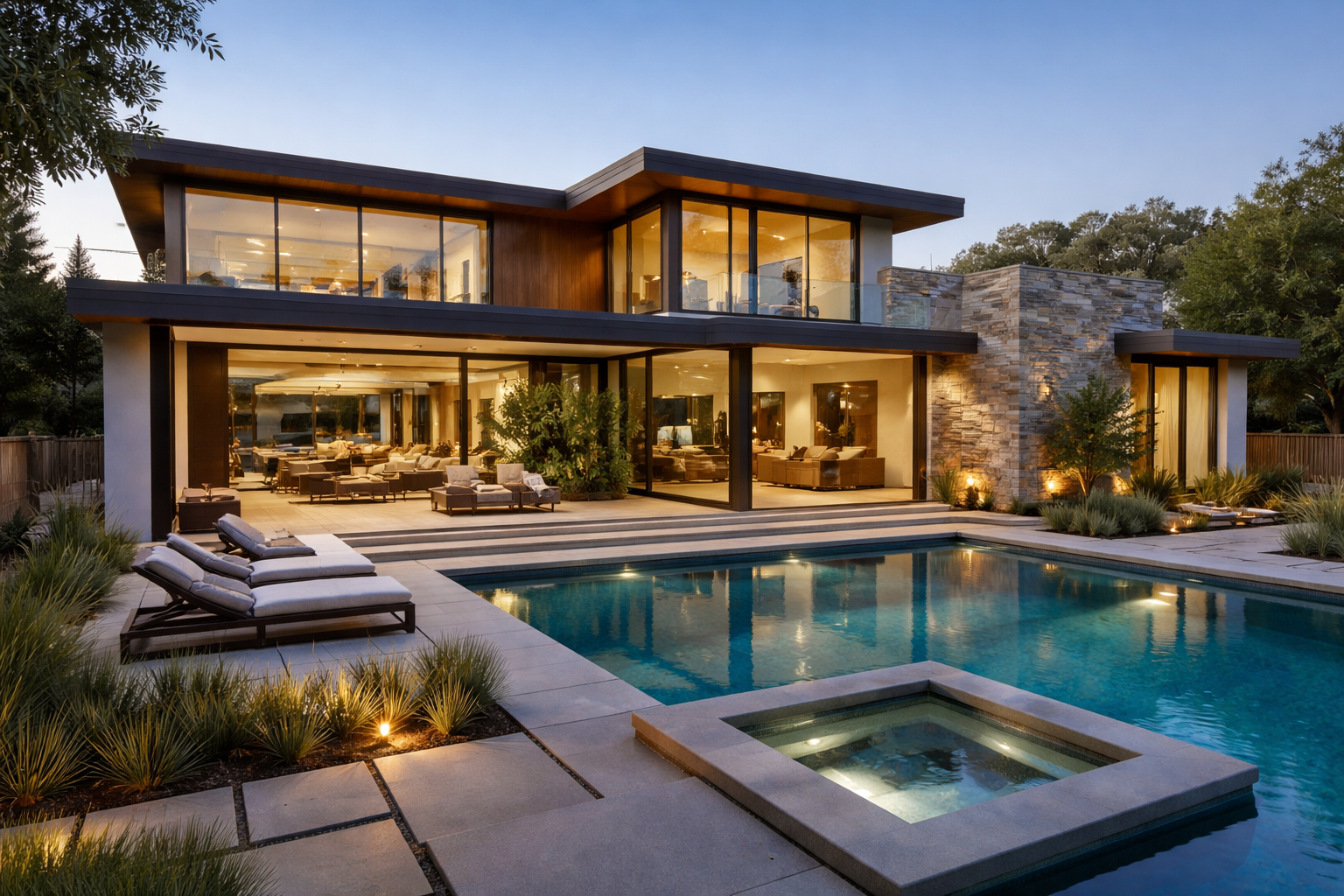
Among the various architectural styles, contemporary homes have seen significant growth in recent years.
Why?
Because they align closely with how people live today.
Open floor plans encourage connection. Large windows bring in natural light. Indoor and outdoor spaces flow together. Sustainable features reduce environmental impact. Smart technology integrates seamlessly into the structure.
However, these design elements introduce technical demands.
Large spans without interior walls require advanced structural planning. Extensive glass affects thermal performance. Flat roofs demand proper drainage solutions.
While the exterior may appear clean and simple, the engineering complexity behind contemporary homes is considerable.
Style Evolution Increases Design Responsibility
Traditional architectural styles often follow established templates. Builders have long relied on familiar proportions, roof structures, and load paths.
Evolving styles do not always offer that predictability.
Blended designs are becoming more common. A client may want the warmth of craftsman detailing inside a minimalist structure. They may prefer a colonial exterior with a contemporary open interior layout.
Delivering such hybrid projects requires careful coordination.
When firms design contemporary homes alongside more traditional builds, teams must shift seamlessly between different structural approaches, materials, and system integrations.
This level of adaptability depends entirely on team capability.
The Technical Demands Behind Clean Design
Minimalist architecture leaves little room for error.
In ornate styles, minor imperfections may be hidden within decorative details. In contemporary design, clean lines expose everything. Every joint, alignment, and finish becomes visible.
For contemporary homes, even slight structural miscalculations can impact both aesthetics and safety. Cantilevered sections must be precisely engineered. Large sliding doors require structural reinforcement. Energy efficiency systems must be integrated early in planning.
This is where talent becomes critical.
Architects and engineers must collaborate from the earliest stages. Communication gaps can lead to costly revisions.
As architectural styles continue evolving, technical precision becomes more important than ever.
Sustainability Is Redefining Architectural Styles
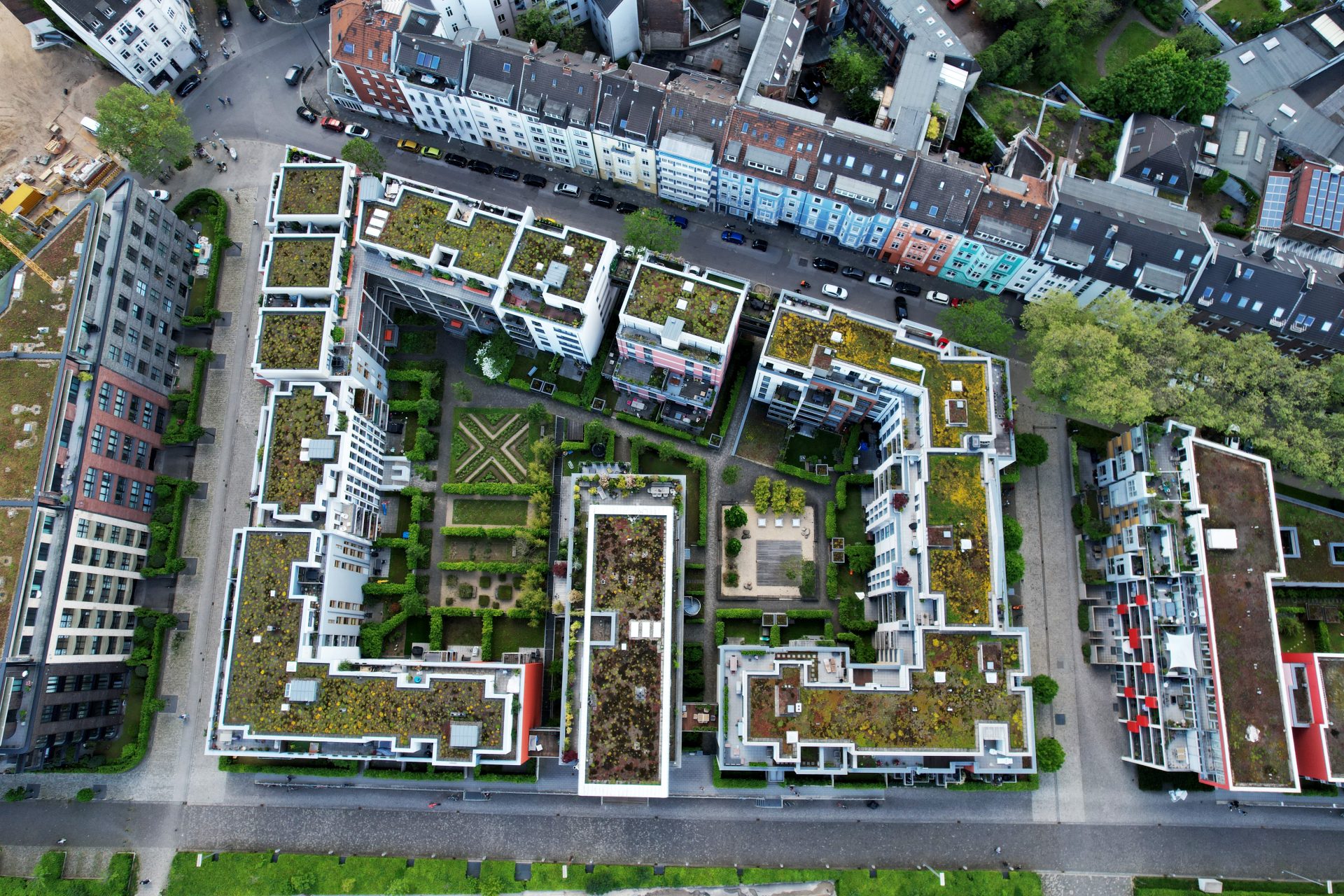
Sustainability is influencing every design category.
Colonial homes are being retrofitted with energy-efficient systems. Mediterranean builds incorporate better insulation. Craftsman designs now include solar-ready roofing. And contemporary homes often lead the way with intentional passive lighting, ventilation planning, and eco-conscious materials.
Clients are no longer asking if sustainable options are available. They assume they are.
This expectation changes how architectural styles are executed. Window placement affects heating and cooling efficiency. Roofing design impacts solar integration. Material selection influences long-term durability.
Firms must ensure their teams understand not only design aesthetics but performance outcomes.
The future of architecture blends style with sustainability.
Client Expectations Are Higher and Broader
Today’s homeowners are informed and inspired. They may request colonial symmetry, modern kitchens, and contemporary homes features all in one project.
Meeting these expectations requires both creativity and discipline.
Designers must translate inspiration into workable plans. Engineers must validate feasibility. Project teams must ensure timelines stay intact.
As expectations expand, the importance of skilled, reliable professionals grows.
Growth in Demand Brings Staffing Challenges
The rising popularity of contemporary homes and blended architectural styles has increased project complexity.Firms are handling larger scopes. Designs are becoming more ambitious. Timelines are tightening.
Growth is positive. But without sufficient staffing, it can strain operations. Overextended teams face burnout. Mistakes become more likely. Communication suffers.
Architectural styles may change quickly, but building strong teams requires deliberate effort.
Successful firms view talent as infrastructure. Just as foundations support buildings, skilled professionals support every design decision.
The Constant Behind Changing Styles
Architectural styles will continue to shift. Trends will cycle. Materials will evolve. Technology will open new possibilities.
From colonial and craftsman designs to Mediterranean villas and contemporary homes, the visual landscape will keep transforming.
But no matter the style, one truth remains.
Strong talent drives strong outcomes.
As architectural styles evolve and contemporary homes continue shaping residential development, firms must evaluate not only design direction but team capacity.
Do you have the expertise to deliver across multiple architectural styles?
Can your team confidently execute contemporary homes without compromising structural integrity?
Are you equipped to handle increasing complexity while maintaining quality?
The answer is not found in trends. It is found in people.
Recruiting and retaining experienced architectural and engineering professionals is foundational to delivering excellence, regardless of style.
Because while architectural styles may change, precision, collaboration, and expertise remain timeless.
If you are ready to strengthen your team with skilled architectural professionals who can support evolving design demands, partner with BizForce and build the future with confidence. Contact us here.