
As firms adopt cloud platforms, remote teams, and collaborative tools, the way they manage and secure architecture data is evolving quickly. This shift reflects how modern A/E firms are improving efficiency and collaboration, but it also brings new responsibilities. In fact, according to PurpleSec, 42% of enterprises say data privacy and security are their biggest cloud challenges, highlighting the growing need for stronger protection across digital environments.
The Growing Importance of Data Protection
Every project begins with an idea. That idea turns into sketches, models, and eventually a full set of plans. Along the way, firms create and store a large amount of architecture data, much of which is confidential.
If this information is lost, leaked, or accessed by the wrong people, the consequences can be serious. Firms risk losing client trust, facing legal or financial penalties, and exposing proprietary designs to competitors.
In an industry built on creativity and precision, protecting intellectual property is essential to staying competitive.
The Shift to Digital and Remote Work
Over the past few years, A/E firms have embraced digital tools to improve efficiency. Cloud-based platforms, BIM software, and remote collaboration tools are now part of daily operations.
While these tools make it easier to work across teams and locations, they also introduce new risks. Files are shared more frequently, accessed from different devices, and stored in multiple environments.
This means firms must rethink how they secure their architecture data, especially when working with remote teams or external partners.
Stronger Access Control
One of the most effective ways firms are protecting project data is by controlling who can access it.
Instead of giving full access to everyone on a project, firms are now using role-based permissions. This ensures that each team member only sees what is relevant to their role. Architects can access design files, while project managers focus on timelines and reports.
By limiting access, firms reduce the chances of accidental leaks or misuse of architecture data.
Multi-factor authentication is also becoming standard. This adds an extra layer of protection by requiring users to verify their identity before accessing sensitive information.
Secure Cloud Collaboration
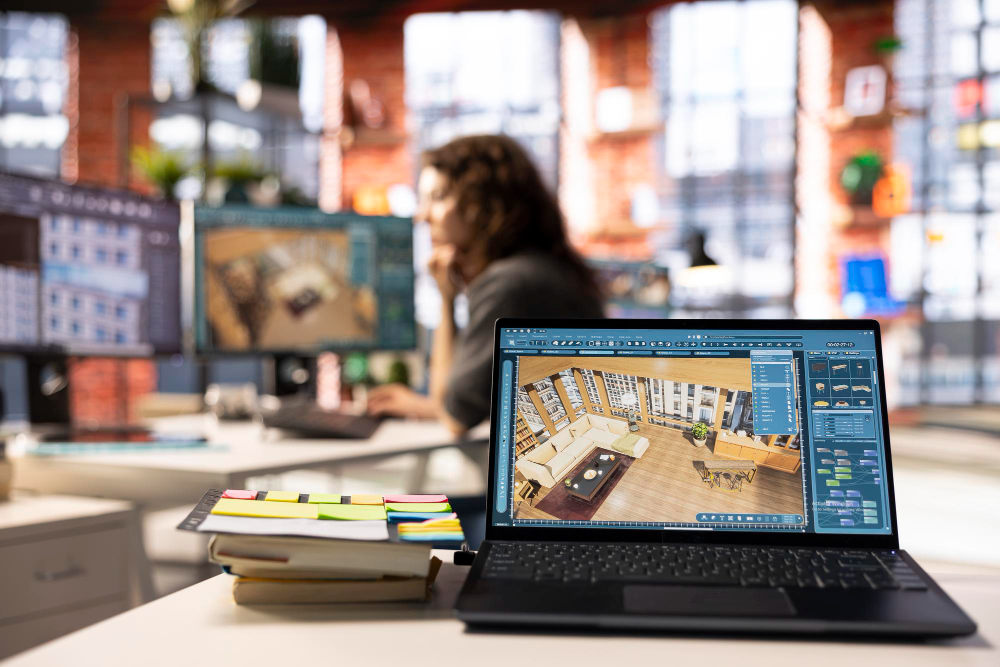
Cloud platforms have become essential for modern A/E workflows. They allow teams to collaborate in real time, regardless of location.
In 2026, firms are prioritizing secure platforms that offer features such as encryption, controlled file sharing, and activity tracking. These tools help ensure that architecture data remains protected even when multiple users are working on the same files.
Firms are also setting clear guidelines on how files should be shared and stored. This reduces confusion and helps maintain consistency across teams.
Protecting Intellectual Property
For architecture and engineering firms, intellectual property is one of their most valuable assets. Designs, concepts, and processes represent years of expertise and creativity.
To protect this, firms are taking proactive steps such as using non-disclosure agreements, defining ownership of designs in contracts, and limiting how files are shared outside the organization.
Some firms also use version tracking and controlled access systems to monitor how architecture data is handled throughout a project.
These practices help ensure that original ideas remain protected from start to finish.
Training Teams on Data Awareness
Technology plays a big role in data security, but people are just as important.
Human error remains one of the most common causes of data issues. That is why many firms are investing in training their teams to understand best practices.
Employees are learning how to recognize suspicious emails, share files securely, and follow internal data policies. When teams are aware of risks and know how to handle them, the protection of architecture data becomes a shared responsibility.
Working Safely with Remote Talent
Remote work has opened new opportunities for A/E firms to scale their teams and access global talent.
At the same time, it requires clear systems and processes to maintain security. Firms are providing secure access to tools, setting expectations for file handling, and monitoring usage to ensure everything stays protected.
With the right approach, firms can confidently work with distributed teams while keeping their architecture data safe and organized.
Regular Audits and Continuous Improvement
Cyber risks continue to evolve, so security practices must evolve as well.
Leading firms are conducting regular reviews of their systems, updating software, and reassessing access permissions. These efforts help identify potential issues early and prevent larger problems in the future.
Protecting architecture data is not a one-time effort. It requires ongoing attention and improvement.
Building Client Trust Through Security
Clients today are more aware of how their information is handled. They want to work with firms that take data protection seriously.
By implementing strong security practices, A/E firms are not only reducing risk. They are also building trust and credibility.
When clients feel confident that their project information is secure, it strengthens relationships and opens the door to long-term collaboration.
Looking Ahead
As technology continues to advance, the way A/E firms manage project data will continue to change. However, the importance of security will remain constant.
Firms that combine the right tools, clear processes, and informed teams will be better prepared to protect their work and their reputation.
In a competitive industry, safeguarding architecture data is not just about avoiding risk. It is about supporting innovation, maintaining trust, and delivering high-quality projects with confidence.
At BizForce, we help architecture and engineering firms scale with skilled professionals who understand the importance of accuracy, collaboration, and data security. If you are looking to strengthen your team while maintaining control and quality across your projects, partner with BizForce and build with confidence.
Contact us here.