
For many architecture and engineering firms, the challenge isn’t finding work—it’s building a team that can support that work sustainably. That was the situation facing Pate Design Group. With a steady pipeline and strong reputation, the firm faced growing pressure as market conditions and staffing costs evolved.
Hiring architects locally in the U.S. had become increasingly difficult to justify from both a cost and scalability standpoint. For a design-build firm that values hands-on leadership and consistent delivery, expanding headcount through a traditional model meant higher overhead and reduced flexibility. Continuing down that path would have limited the firm’s ability to respond to changing project demands.
Rather than pushing forward on assumptions, leadership paused to evaluate alternatives.
Rethinking How to Build a Team
Instead of defaulting to familiar hiring approaches, Pate Design Group took a deliberate look at its team structure. The question wasn’t working harder, but building a model that supported growth without sacrificing quality or accountability.
This sparked exploration of global staffing, integrating experienced architects directly into daily operations through shared tools and workflows. The objective was to align staffing with real project demands and long-term business realities.
That evaluation led the firm to BizForce.
BizForce specializes in staff augmentation, helping design-build firms build long-term, embedded remote teams that function as an extension of their in-house staff. Team members work the same hours, use the same systems, and follow the same standards as local teams.
For Pate Design Group, this offered a way to modernize its staffing model without disrupting how work was delivered.
Working with BizForce to Integrate Remote Architects
Kirby Pate on BizForce architects
“Production is going at a hundred percent from 8:30 to 5:00 every single day. They’re both very comfortable to most of my clients—most of my clients know them. Part of what works for me and my firm—we’re running and gunning pretty quickly—it allows work to be progressing, which we can actually bill for, while I’m chasing down potentials. It also allows us to participate in projects earlier than we would have previously because of the efficiency of the cost structure.”
— Kirby Pate, Pate Design Group
The initial focus was on production and documentation—areas that often place the greatest strain on firm leadership. Remote architects were onboarded with clear workflows, defined expectations, and close coordination with the existing team.
As familiarity grew, so did responsibility. Over time, the remote architects became more involved in coordination efforts, supporting communication with consultants and contractors and helping maintain consistency across projects. Their role expanded based on demonstrated capability and trust, not assumptions.
This gradual integration allowed the firm to retain full oversight while increasing capacity and maintaining quality.
What This Approach Made Possible
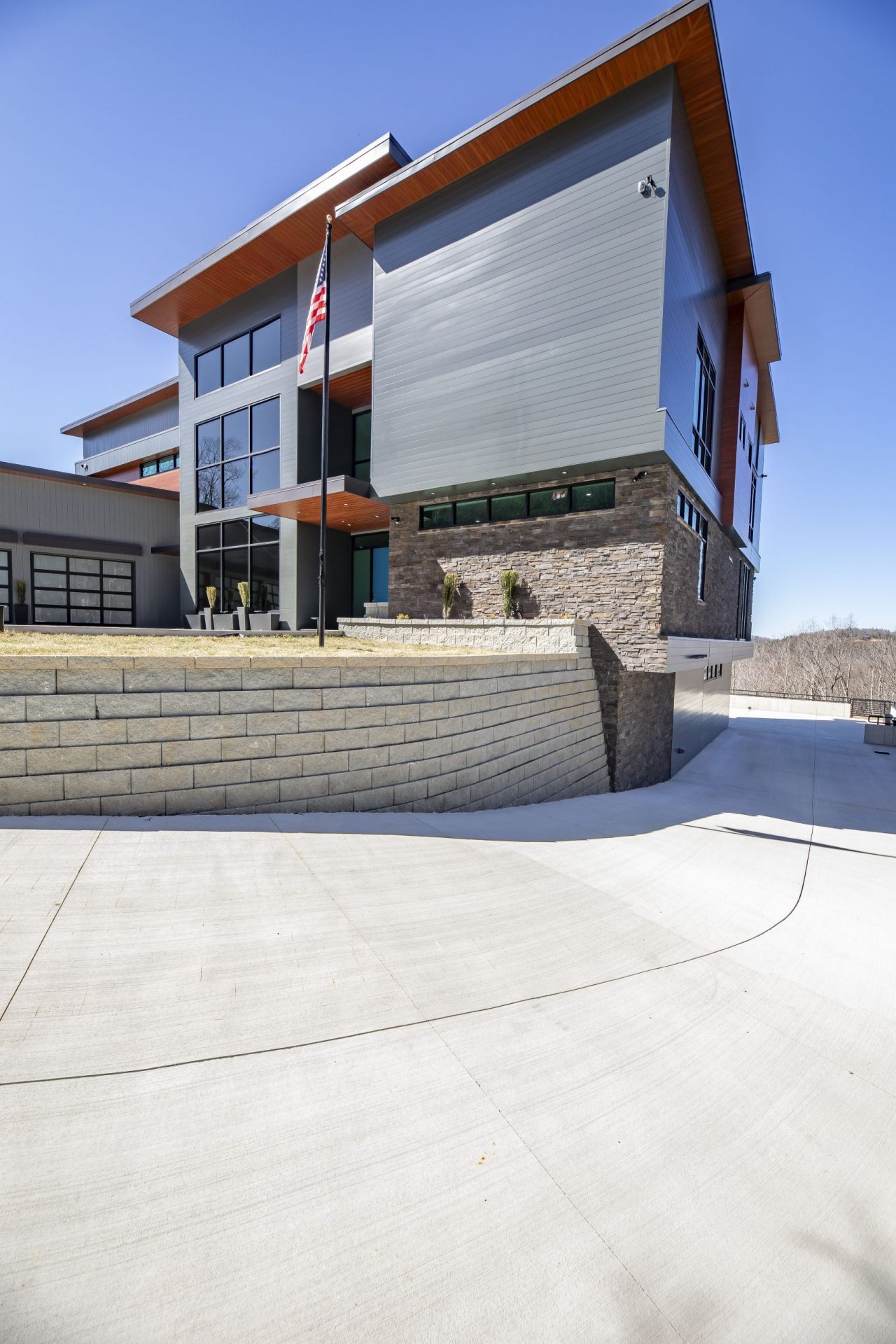
One of the most meaningful outcomes of this shift was the flexibility increase in the types of projects the firm could pursue. With a more sustainable cost structure, projects with tighter budgets—such as faith-based and community-focused work—became more feasible.
The benefit wasn’t just increased capacity—it was choice. The firm could make decisions based on alignment and impact, not staffing limitations.
A Sustainable Path Forward
Pate Design Group’s experience reflects a broader reality across the architecture and engineering industry. Rising staffing costs and increasingly competitive labor markets are prompting design-build firm leaders to reassess long-standing assumptions about how teams are built and supported.
What distinguishes Pate Design Group is a disciplined, forward-thinking approach to change. Rather than reacting to pressure, the firm evaluated its options carefully, tested a modern staffing model, and scaled it intentionally—without compromising quality, accountability, or leadership involvement.
This kind of measured adaptability is becoming a defining trait of design-build firms that continue to lead in a changing industry. With the right structure and the right partner, firms don’t have to choose between quality and scalability. They can build teams that support both.
If your firm is scaling responsibly, BizForce helps architecture and engineering leaders build remote teams without sacrificing quality.
Let’s start with a conversation about your goals and what a sustainable path forward could look like. Contact us here.