
Pressure on architecture and engineering firms continues to grow. Projects are more complex, clients expect faster turnaround, and costs continue to rise. Finding the right talent has become a major challenge, with 69% of firms expecting ongoing recruitment difficulties, according to trends reported by OpenAsset. For years, firms relied on local hiring and adding headcount to manage demand. Today, that model is harder to sustain as talent pools shrink, salaries rise, and each new hire adds risk and overhead. Firms that are growing and protecting their margins are taking a different approach—rethinking how teams are built and scaled by incorporating remote talent and focusing on flexible, dependable staffing that aligns with real project needs.
Why the Old Hiring Model Is Breaking Down
Traditional hiring was designed for a different era. Firms staffed up in anticipation of work, leased more office space, bought more equipment, and absorbed the long-term costs that came with it.
That model creates problems in today’s environment:
- Hiring takes too long, especially for specialized roles
- Salaries and benefits continue to rise
- Workloads fluctuate from project to project
- Firms carry full-time costs even when demand slows
The result is a cycle many firm leaders recognize. Teams are stretched during peak periods. When things slow down, overhead feels heavy. Growth becomes risky instead of exciting.
The smartest firms are asking a different question: how do we add capacity without adding permanent strain?
The Shift Toward Flexible Team Building
Modern A&E firms are moving away from an all-or-nothing approach to staffing. Instead of building teams based only on full-time, in-house roles, they are creating blended teams that can scale up or down as needed.
This approach focuses on flexibility, not shortcuts. It allows firms to:
- Add skilled professionals when projects require it
- Maintain consistent quality and standards
- Control costs without sacrificing delivery
- Reduce burnout for core team members
Flexible team building does not mean giving up control. In fact, it often increases it. Leaders can align staffing more closely with project timelines, budgets, and client expectations.
Why Remote Talent Has Become a Strategic Advantage
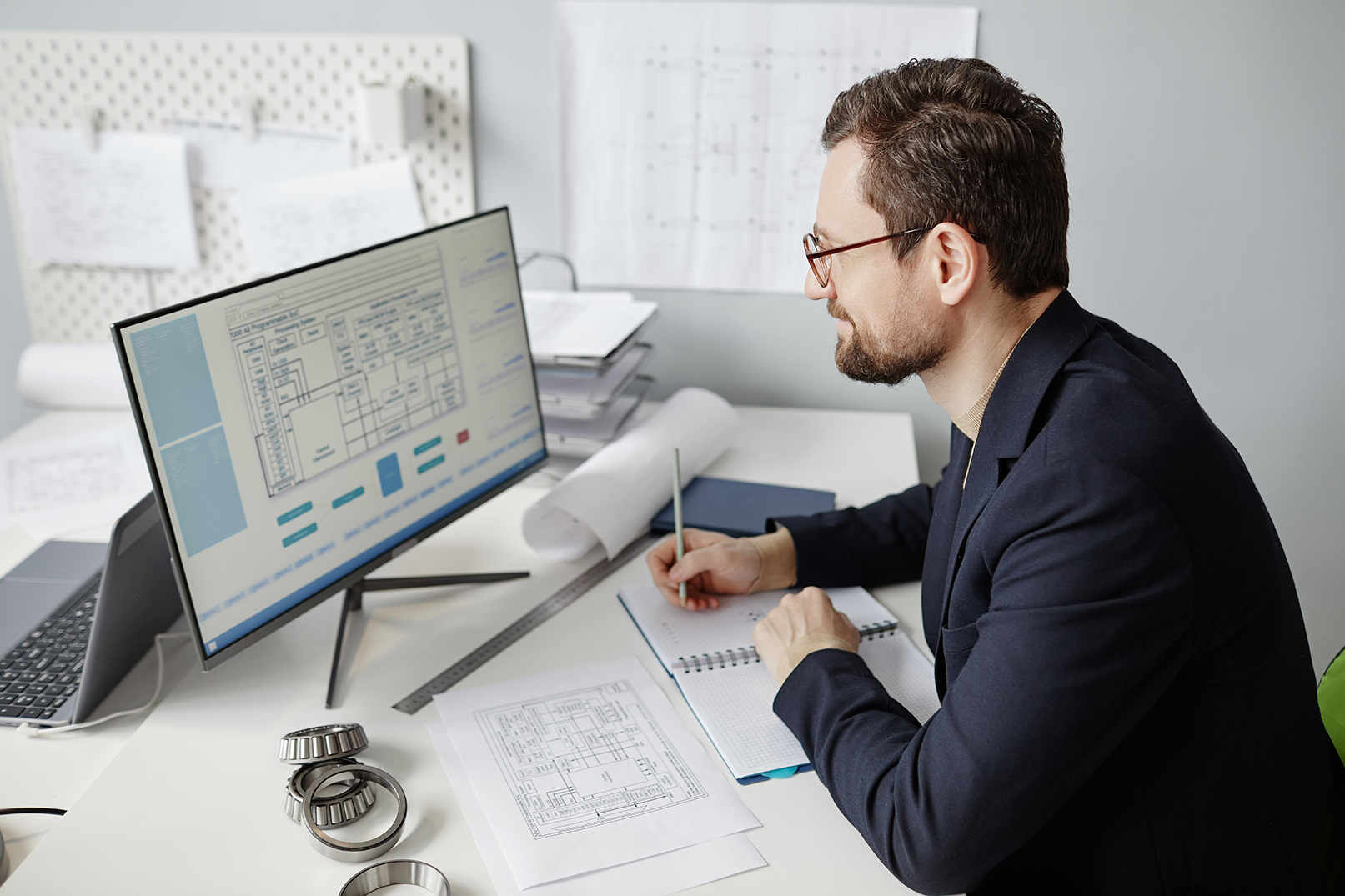
Remote work is no longer a trend. For architecture and engineering firms, it has become a practical and proven way to access talent that may not be available locally.
Remote architects and engineers can support drafting, modeling, documentation, coordination, and production tasks without needing to be physically present in the office. When done right, remote talent integrates into existing workflows and operates as an extension of the team.
The advantages are clear:
- Access to a broader remote talent pool
- Faster hiring timelines
- Lower overhead and labor costs
- Reduced pressure on local teams
Most importantly, remote talent allows firms to respond quickly to workload changes without making long-term commitments that may not align with future demand.
What Makes This Approach Smarter
The smartest team-building strategies focus on outcomes, not just headcount. Instead of asking “how many people do we need,” firm leaders ask “what support do our projects need right now?”
This shift changes everything.
Remote and flexible team models allow firms to:
- Assign the right level of support to each phase of a project
- Avoid overstaffing during slower periods
- Protect senior staff time for high-value work
- Improve turnaround without increasing stress
When teams are built intentionally, productivity improves. Communication becomes more focused. Deadlines are easier to meet. And leaders regain the ability to plan with confidence.
Trust Is the Missing Piece
One reason some firms hesitate to adopt new staffing models is trust. Leaders worry about quality, accountability, and communication. These concerns are valid, especially when past experiences with freelancers or short-term contractors did not go well.
The difference today is the rise of structured remote talent partnerships. Unlike ad hoc hiring, these partnerships focus on long-term fit, vetting, and integration. Talent is selected based on experience, technical skill, and the ability to work within established processes.
When firms work with trusted remote partners, expectations are clear from the start. Roles are defined. Communication is consistent. Performance is measured. The relationship feels less like outsourcing and more like team expansion.
What Firms Can Expect From a Smarter Model
A well-executed flexible staffing approach does not disrupt operations. In most cases, it improves them.
Firms that adopt this model often experience:
- Shorter hiring cycles
- Lower onboarding and training costs
- More predictable staffing expenses
- Improved morale among in-house teams
Core staff no longer carry the full burden during busy periods. Instead, they are supported by additional capacity that allows them to focus on leadership, design, and problem-solving.
Over time, this creates a healthier work environment and a more resilient business.
Addressing Common Concerns
It is normal for firm leaders to ask tough questions before changing how teams are built.
Will quality suffer?
Not when the remote talent is properly vetted and managed. Many firms find that quality improves because tasks are handled by professionals who specialize in production support.
Will communication be harder?
Clear workflows and regular check-ins reduce friction. Modern collaboration tools make coordination easier than ever.
Will this weaken company culture?
In many cases, it strengthens it. When teams are supported and workloads are balanced, engagement improves.
The key is choosing the right approach and the right partners.
Building Teams for the Future
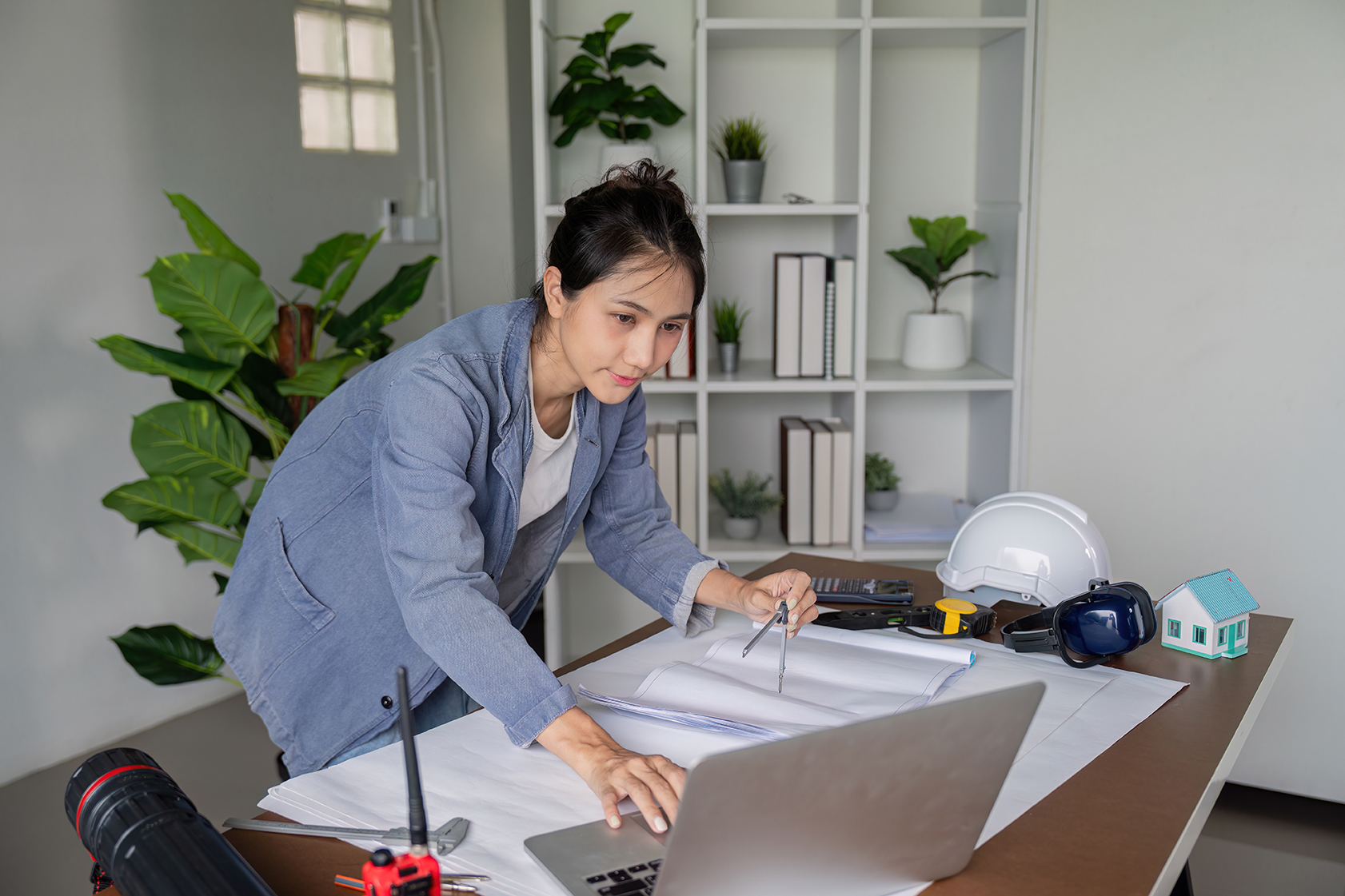
The firms that will thrive are not the ones with the biggest offices, but the ones that adapt quickly, manage costs wisely, and build teams that match how work truly flows.
For architecture and engineering firms facing rising costs, tight timelines, and ongoing talent challenges, this flexible, balanced approach is quickly becoming the standard.
Partner with BizForce to access highly skilled remote architects and engineers who integrate seamlessly into your workflows—without the overhead of traditional hiring. Scale with confidence, protect your margins, and build better with BizForce. Contact us here.